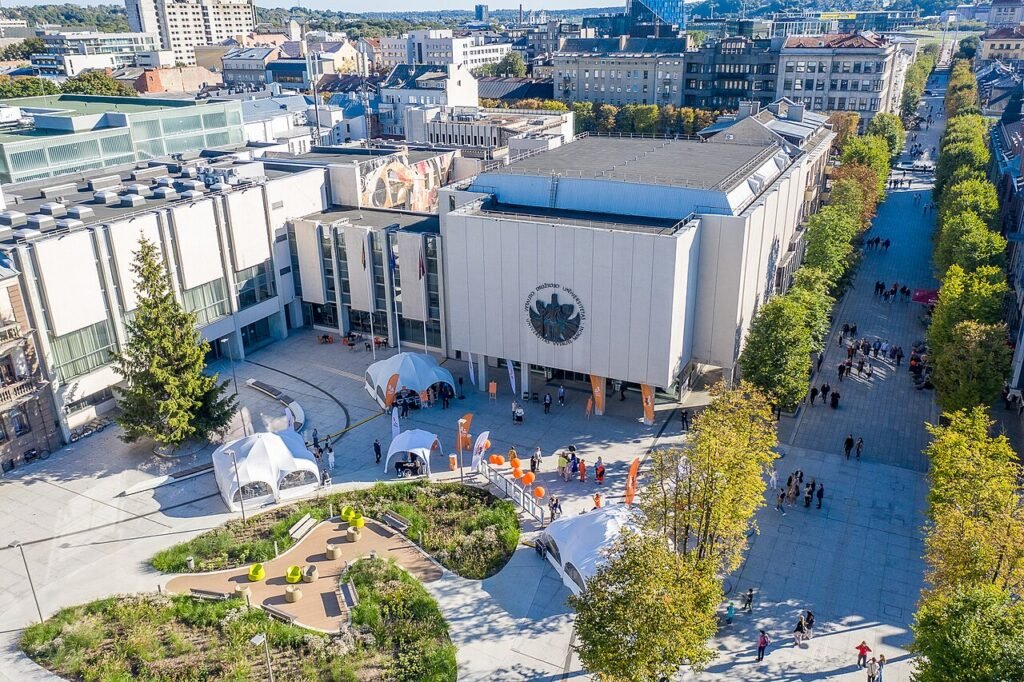
The Choreomundus Erasmus Mundus Scholarship 2027 is open for the 2027–2028 intake. Choreomundus is a two-year Erasmus Mundus Joint Master in Dance and Movement as Practical Knowledge and Heritage, and it offers 17 scholarships of €1,400 a month for the full 24 months. Applications close on 15 January 2027 at 23:59:59 EET.
However, there’s one detail that makes Choreomundus unusual among Erasmus Mundus programmes. It has no self-funded places. Instead, every admitted student gets a full tuition fee waiver worth €18,000, paid by the EU’s Erasmus+ programme, and the 17 strongest candidates also receive the monthly scholarship. In other words, if you’re admitted, you don’t pay tuition at all.
In this guide, you’ll find what the programme covers, the four partner universities, the semester route, the entry requirements, the video portfolio, the English scores, the selection weights and the 2027 timeline. Above all, everything comes from the official Choreomundus website.
Choreomundus Erasmus Mundus Scholarship 2027 at a Glance
| Programme | Choreomundus – Erasmus Mundus Master in Dance and Movement as Practical Knowledge and Heritage |
| Duration | 2 years (24 months) |
| Coordinator | Vytautas Magnus University (VMU), Kaunas, Lithuania |
| Countries | Lithuania, Greece, France and the United Kingdom |
| Scholarships | 17, each worth €1,400 a month for 24 months |
| Tuition | Waived for every admitted student (worth €18,000) |
| Self-funded places | None |
| Minimum grade | 60% CGPA (a C in the EU grading system) |
| English | B2 level (for example, IELTS 5.5–6.5) |
| Deadline | 15 January 2027, 23:59:59 EET |
| Results | By 23 February 2027 |
What Is Choreomundus?
Choreomundus studies dance and other movement systems, such as ritual practices, martial arts, games, sports and physical theatre, as forms of Intangible Cultural Heritage. As a result, it sits where several fields meet: ethnochoreology, the anthropology of dance and movement, cultural studies, heritage studies, and dance and technology.
The programme’s central aim is to analyse the practical knowledge that keeps living heritage alive. So you won’t just study dance from books. You’ll do fieldwork, learn movement analysis and motion capture, document bodily practices on film, and engage critically with UNESCO’s Convention for the Safeguarding of the Intangible Cultural Heritage. In addition, the programme covers AI and cultural bias, so you learn to use technology without losing sight of the communities behind the movement.
For this reason, Choreomundus is a strong fit for dancers, choreographers, dance teachers, anthropologists, heritage workers and cultural researchers. It’s also one of the few fully funded master’s options in Europe for people whose expertise is in the body rather than in a laboratory.
The Four Partner Universities
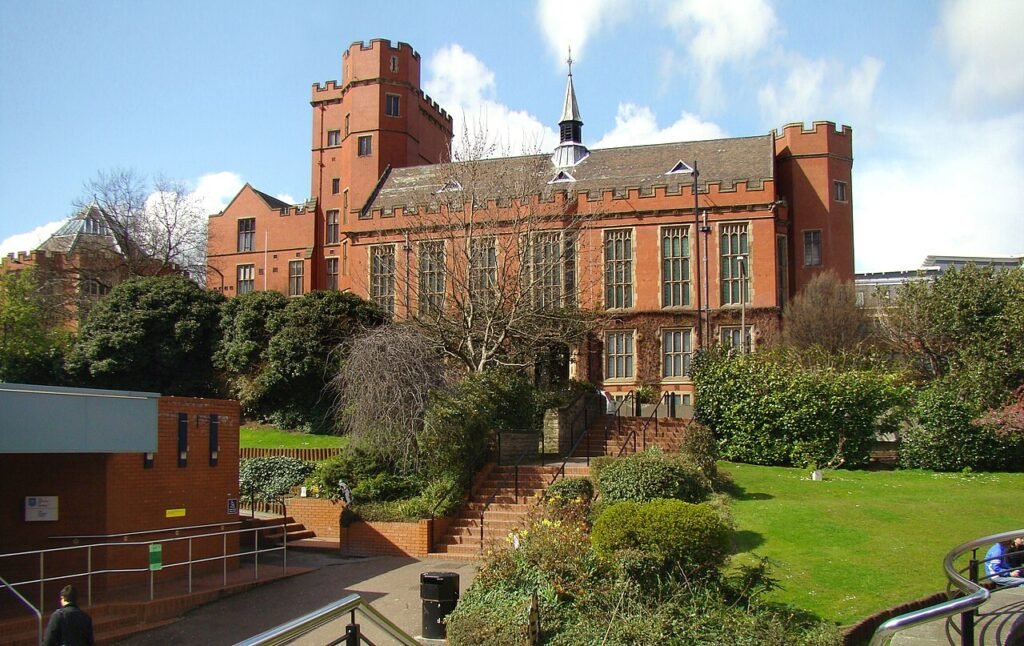
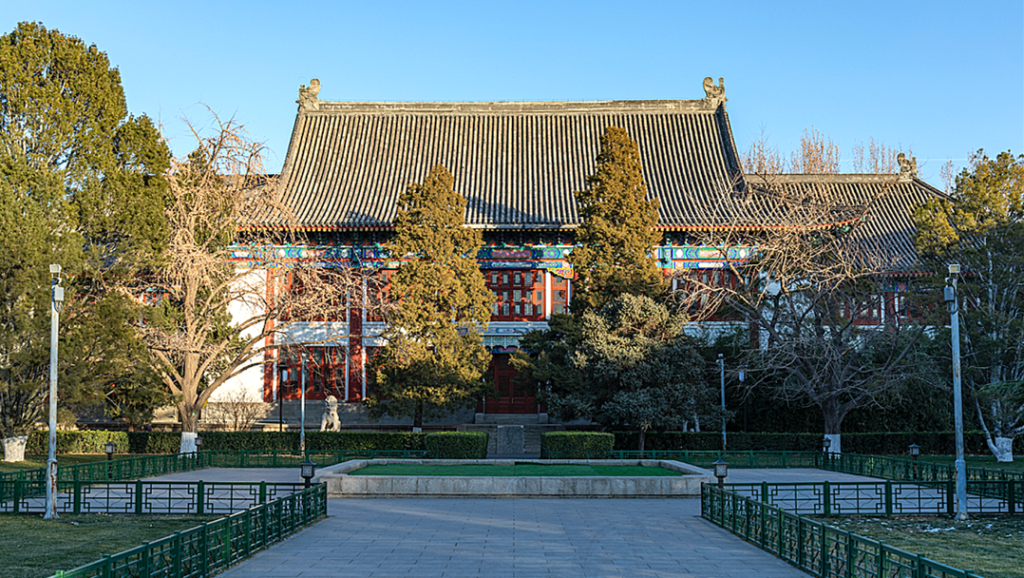
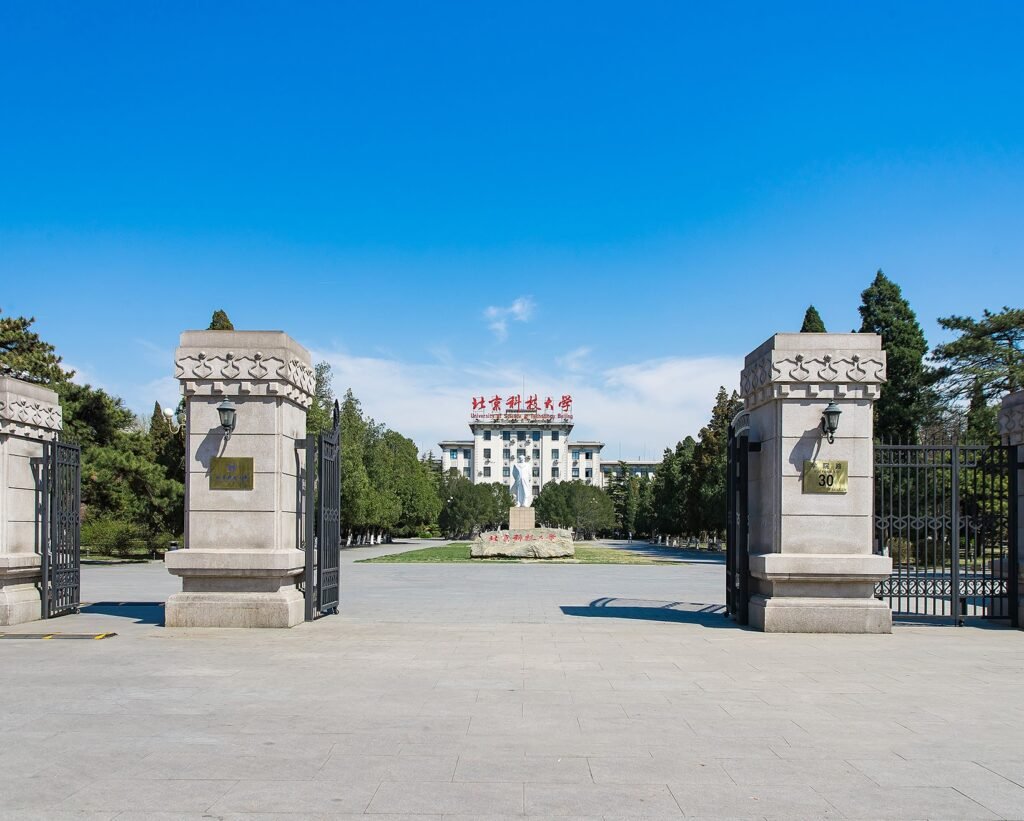
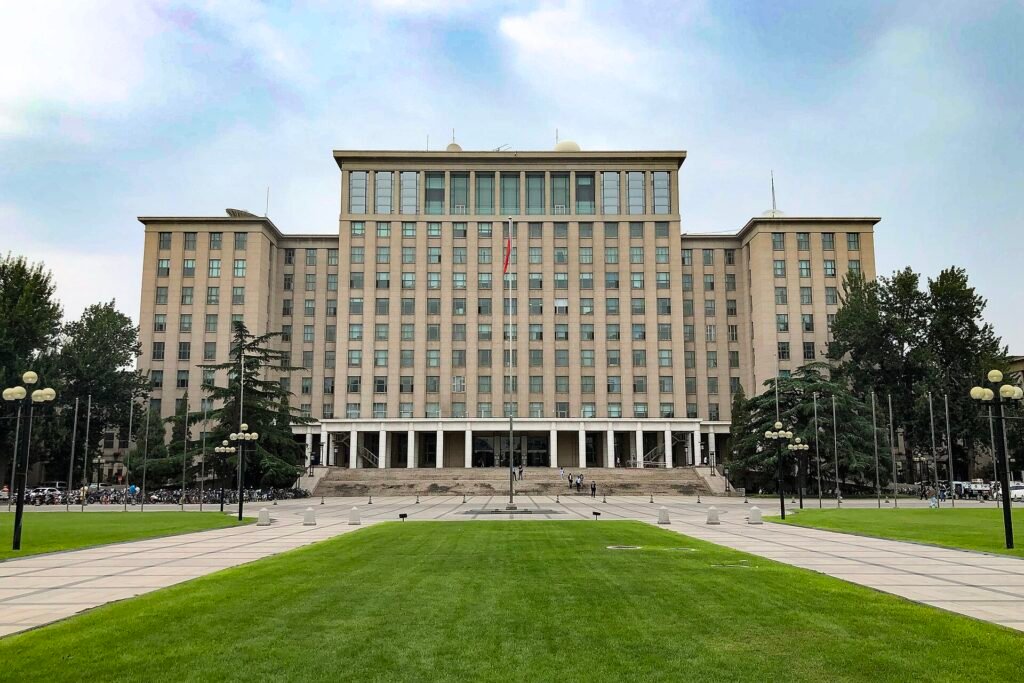
- Vytautas Magnus University (VMU), Kaunas, Lithuania – coordinator
- National and Kapodistrian University of Athens (NKUA), Greece
- University of Clermont Auvergne (UCA), Clermont-Ferrand, France
- University of Roehampton (UR), London, United Kingdom
Note, however, that the consortium has changed. Some older pages, including one on Roehampton’s own website, still describe a five-university consortium in Norway, Greece, France, Hungary and the UK. For the 2027–2028 intake, the official Choreomundus site lists the four universities above, with VMU coordinating.
Once accepted, you’re registered at all four universities. Then you graduate with a joint master’s degree awarded by all the partner institutions.
Where You’ll Study: The Semester Route
You study at three European universities, and the final semester splits into two groups. The table below follows the programme content the consortium has published.
| Semester | University | Main courses |
|---|---|---|
| Semester 1 | VMU, Kaunas | Decolonising Ethnochoreology and the Anthropology of Dance; Dance, Displacement, Diaspora; Ethnographic Research Methodology, Archiving and Motion Capture |
| Semester 2 | NKUA, Athens | Analysing and Notating Dance and Movement; Dance Ethnography and Contemporary Issues; Dissertation 1: Dance Fieldwork |
| Semester 3 | UCA, Clermont-Ferrand | Critical Perspectives on Intangible Cultural Heritage; Transmission and Circulation of Knowledge in Bodily Practices; Dissertation 2: Ethnography in the Making |
| Semester 4 (Group A) | VMU, Kaunas | Cultural Diplomacy and Heritage; Dissertation 3: Theorising Dance and Movement |
| Semester 4 (Group B) | Roehampton, London | Performance of Heritage; Dissertation 3: Extended Essay |
In total, each semester carries 30 ECTS. The Roehampton option gives you a final semester in London, outside the EU, which matters for English requirements, as you’ll see below.
Choreomundus Scholarship 2027: What You Get
Tuition Waiver for Every Admitted Student
Choreomundus has no tuition-paying places. Instead, every admitted student receives one of two packages:
- a tuition fee waiver, or
- a tuition fee waiver plus a scholarship, depending on the committee’s decision.
In fact, the waiver covers the full programme and is worth €18,000 per person, funded by the EU’s Erasmus+ programme.
The 17 Monthly Scholarships
For the 2027–2028 intake, there are 17 scholarship places. Each one pays €1,400 a month for the entire 24-month study period. That’s €33,600 in total, on top of the tuition waiver.
Better still, you don’t need a separate scholarship application. When you apply for admission, you’re automatically considered for the scholarship.
If You Get the Waiver but Not the Scholarship
Admitted students without the monthly scholarship study for free but must cover their own living costs. Choreomundus suggests looking at other sources, such as ordinary Erasmus+ exchange grants for one or two semesters and Auvergne-Rhône-Alpes regional grants in France. For most African applicants, though, the monthly scholarship is what makes the programme affordable, so plan for both outcomes before you accept.
Choreomundus Entry Requirements
Academic Background
You need one of the following from a recognised higher education institution, such as a university, college or conservatoire:
- a bachelor’s degree equivalent to 180 ECTS, or
- a master’s degree equivalent to 120 ECTS.
In particular, your degree should be in the humanities or social sciences, preferably in dance studies, anthropology, folklore or heritage studies. Related fields also count, such as drama or theatre, music, sports and human movement studies, sociology or cultural studies. Whatever your degree, you must have some experience or knowledge of dance.
Moreover, Choreomundus is open to people from other disciplines. Candidates with a strong dance background and degrees in fields such as health studies, biomedical sciences, engineering or computer science may be considered. The same applies to candidates who combine formal education with equivalent professional experience.
Minimum Grades
You need a minimum CGPA of 60%, which is a C in the Bologna/EU grading system. However, under lifelong learning rules, students with lower grades may still be admitted if they combine their formal education with approved prior learning and work experience.
Documents in Other Languages
Your qualification documents are accepted in English. But if they’re in any other language, such as French, you must add an official translation.
The Choreomundus Portfolio: Video and Essay
This is the part that sets Choreomundus apart from other Erasmus Mundus programmes. Your portfolio has four items:
- Two letters of recommendation, signed by the recommenders.
- A CV.
- An online video of no more than three minutes showing your own practice. It could be dancing, choreography, teaching, an excerpt from a sports competition, coaching or another relevant performance or production. Put the link in a Word or PDF document and upload it with your application, and double-check that the link works.
- A self-written essay of no more than two pages analysing the content of your video and explaining the context of the practice.
Importantly, the video and essay work together. The video shows what you do, and the essay shows how you think about it. Therefore, a strong essay doesn’t just describe the movement. Instead, it explains where the practice comes from, who performs it, what it means in its community and why you chose to show it.
For example, an applicant from Cameroon might film a short excerpt of a traditional dance they practise or teach, then use the essay to explain its ritual or social role, how it’s passed on between generations and how it has changed. In this way, you connect your own practice to the programme’s focus on living heritage.
Motivation Letter
You also need a motivation letter. Since it carries 30% of your score, treat it seriously. Explain what draws you to dance as heritage, what you’ve done so far and what you want to research.
Choreomundus English Requirements
If you’re not a native speaker and haven’t been educated in English, you need a recent, valid certificate proving B2 level. Certificates are usually valid for two years from the date of results. Accepted tests include:
- IELTS (5.5–6.5)
- TOEFL
- Cambridge English First (FCE)
- Cambridge IGCSE
- PTE General and PTE Academic
- BEC Vantage
- EnglishScore
- Michigan ECCE
- TOEIC
- Duolingo
Stricter Rules for the Roehampton Semester
If you want to spend your final semester at the University of Roehampton in London, you’ll need a test from Roehampton’s own list, such as IELTS Academic, TOEFL iBT, PTE Academic, the Cambridge Proficiency or Advanced Certificate, Trinity ISE or LanguageCert. For TOEFL iBT, Roehampton requires 89 overall, with at least 17 in listening and writing, 18 in reading and 20 in speaking.
In addition, the test result must be valid no earlier than mid-December 2026. So if you’re aiming for London, check Roehampton’s requirements before you book a test.
How Choreomundus Selects Students
| Criterion | Weight |
|---|---|
| CGPA from your first and/or second degree | 40% |
| Portfolio (recommendations, CV, video and essay) | 30% |
| Motivation letter | 30% |
Notice, too, that grades count for less here than in many Erasmus Mundus programmes. Your portfolio and motivation letter together make up 60% of the score, so a strong practice and a thoughtful essay can make up for an average transcript.
After that, shortlisted candidates are invited to a five-minute interview by Zoom or Teams. Finally, the Joint Selection Committee makes the final choice, and it balances the intake by place of residence, nationality and gender, in line with the equal opportunities policies of the four universities.
Choreomundus 2027 Timeline
| Stage | Date |
|---|---|
| Applications open | 15 October 2026 |
| Application deadline | 15 January 2027, 23:59:59 EET |
| Interviews (applicants from Western countries) | 14 February 2027 |
| Interviews (applicants from Eastern countries) | 15 February 2027 |
| Admission results | By 23 February 2027 |
| Deadline for appeals | 15 March 2027 |
Also, plan for the visa. Choreomundus warns that migration procedures after admission take an extra two to three months and involve extra costs, so budget time and money for them.
How to Apply for the Choreomundus Erasmus Mundus Scholarship 2027
- Check your eligibility, including your degree, your dance experience and the 60% minimum CGPA.
- Film your practice in a clip of no more than three minutes and upload it online.
- Write your two-page essay analysing the video and its context.
- Ask two recommenders for signed letters.
- Prepare your CV, motivation letter, transcripts and English certificate, with official translations where needed.
- Apply online through the VMU DreamApply portal before 15 January 2027.
- Prepare for a short interview in mid-February if you’re shortlisted.
Tips for African Applicants
First, don’t undersell traditional dance. Choreomundus is built around movement as living heritage, so a ritual, social or community dance you know well can be a stronger portfolio than a polished stage piece.
Second, make the video clean and simple. Good light, steady framing and clear sound matter more than editing. Check that the link opens without a login before you submit.
Third, give the essay real context. Name the community, the occasion and the people who taught you. Then show that you can analyse the practice, not just describe it.
Finally, apply early. Translations, recommendation letters and visa preparation all take time, and the deadline falls just after the holiday season.
More Erasmus Mundus Scholarships for 2027
- InterMaths Erasmus Mundus Scholarship 2027
- EMerald Erasmus Mundus Scholarship 2027
- TCCM Erasmus Mundus Scholarship 2027
Frequently Asked Questions About the Choreomundus Scholarship
Is the Choreomundus Erasmus Mundus scholarship open for 2027?
Yes. Applications for the 2027–2028 intake opened on 15 October 2026 and close on 15 January 2027 at 23:59:59 EET.
How many Choreomundus scholarships are available?
There are 17 scholarship places for 2027–2028, each paying €1,400 a month for 24 months.
Do I have to pay tuition at Choreomundus?
No. There are no self-funded places, so every admitted student receives a tuition fee waiver worth €18,000.
Do I need a separate scholarship application?
No. You’re automatically considered for the scholarship when you apply for admission.
Do I need a dance degree?
Not necessarily. A humanities or social sciences degree is preferred, but candidates from other fields with a strong dance background, or with equivalent professional experience, may also be considered. Everyone needs some experience or knowledge of dance.
What IELTS score do I need for Choreomundus?
Choreomundus lists IELTS 5.5–6.5 as proof of B2 English. If you want your final semester at Roehampton, you’ll need to meet Roehampton’s stricter test requirements.
When are Choreomundus 2027 results announced?
Selected applicants are notified by 23 February 2027. The deadline for appeals is 15 March 2027.
Is there an interview?
Yes. Shortlisted candidates have a five-minute interview by Zoom or Teams on 14 or 15 February 2027.
Can Africans apply for Choreomundus?
Yes. The committee balances the intake by nationality and place of residence, so applicants from Africa and other regions are welcome.
Final Thoughts
The Choreomundus Erasmus Mundus Scholarship 2027 is a rare chance to turn your dance practice into a funded European master’s degree. Every admitted student studies tuition-free, and 17 receive €1,400 a month on top. Your portfolio carries as much weight as your grades, so film your practice, write a thoughtful essay and submit before 15 January 2027.
For questions, see the Choreomundus contact page.