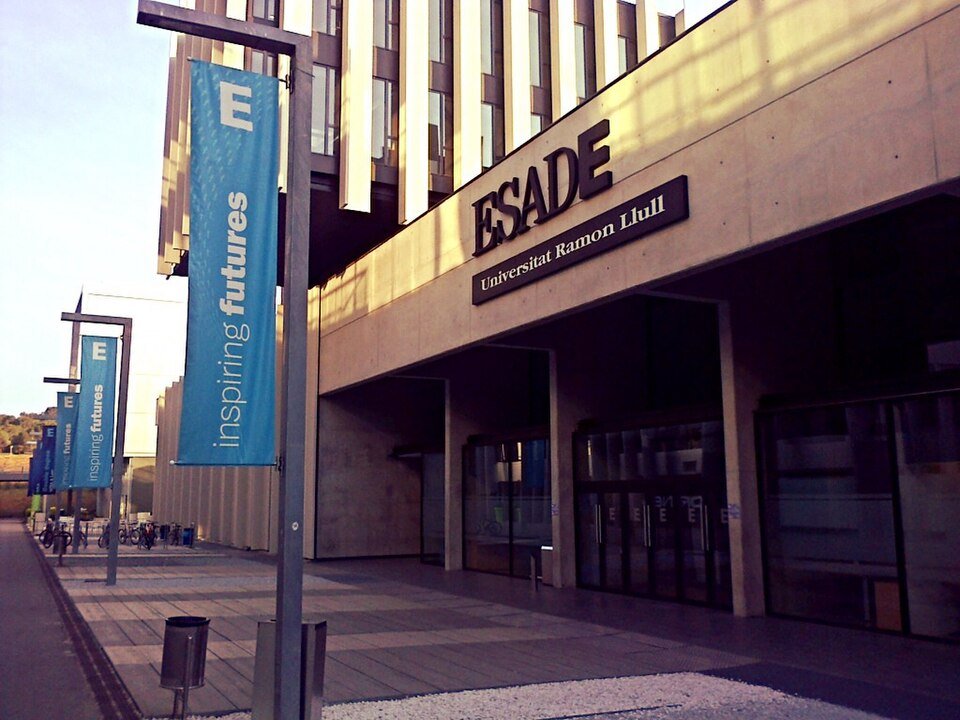
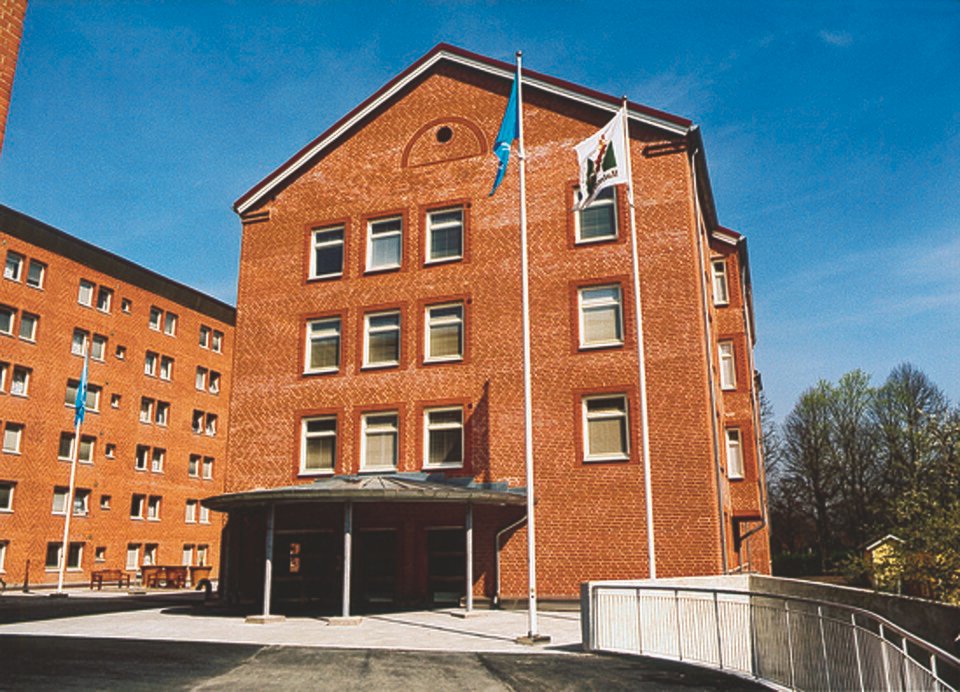
The WMU–LRF Africa PhD Fellowship is open at the World Maritime University (WMU) in Malmö, Sweden. Funded by Lloyd’s Register Foundation (LRF), it covers your tuition fees and pays a monthly stipend of about SEK 22,000 for up to four years. The research focuses on one question that matters to the continent: how Sub-Saharan Africa can turn seafaring into skilled jobs and economic opportunity within the Blue Economy.
Preference goes to applicants from Sub-Saharan Africa, which makes this one of the few maritime PhD awards built around African candidates. However, there’s only one fellowship, and the first review of applications takes place on 30 November 2026, so the window for a strong, early application is short.
In this guide, you’ll find what the fellowship pays, who’s eligible, the research topics WMU wants, the documents you need and how to write a proposal that stands out. Every detail comes from WMU’s official call and its Terms of Reference for 2026.
WMU–LRF Africa PhD Fellowship at a Glance
| University | World Maritime University (WMU), Malmö, Sweden |
| Funder | Lloyd’s Register Foundation (LRF) |
| Programme | PhD in Maritime Affairs, within the WMU–LRF Africa Programme |
| Number of fellowships | 1 |
| Tuition | Covered (normal fee: USD 40,500 for students joining from 1 January 2027) |
| Stipend | About SEK 22,000 per month |
| Duration | Up to 4 years, subject to satisfactory annual progress |
| Preference | Applicants originating from Sub-Saharan Africa |
| First review | 30 November 2026, 23:59 CET |
| Start date | No later than 1 April 2027 |
What Is the WMU–LRF Africa Programme?
WMU was founded in 1983 within the framework of the International Maritime Organization (IMO), the UN agency for shipping. Together with Lloyd’s Register Foundation, it runs a strategic partnership to advance maritime safety, strengthen evidence-based decision-making and build maritime capability. The Africa Programme is one of the pillars of that partnership.
In practice, the programme tackles the practical obstacles that hold back Africa’s seafaring workforce. These include curricula that don’t match industry needs, the capabilities of teaching staff, access to training facilities and sea-time placements, and the recognition of qualifications. To do this, it brings together maritime education and training (MET) institutions, maritime administrations and employers, and a central initiative is the development of an African Maritime Education and Training Forum.
The PhD fellow sits inside this work. As a result, you won’t be researching Africa from a distance: you’ll be working with the institutions your research is meant to help.
What the WMU–LRF Africa PhD Fellowship Covers
According to the Terms of Reference, the fellowship:
- covers tuition fees;
- pays a monthly stipend of about SEK 22,000 to cover living and related expenses;
- lasts up to four years from the date of registration, as long as you make satisfactory annual progress;
- may support research-related travel, conference attendance, open-access publication fees and research software, subject to approval.
Moreover, the stipend can grow. At each progression seminar, WMU reviews it for an upward adjustment, based on your progress and performance and on the programme’s funding position.
How Much Is That Worth?
To put the package in context, WMU’s normal PhD fee is USD 40,500 for students joining on or after 1 January 2027. Notably, this fee includes supervision, library and laboratory access, IT support, and medical, life and accident insurance. WMU also estimates that a student needs around SEK 17,000 a month for rent and general living costs in Malmö, so a stipend of about SEK 22,000 sits comfortably above that figure.
Is It Fully Funded?
Effectively, yes. The fellowship pays your tuition and a living stipend higher than WMU’s own estimate of living costs in Malmö. However, the Terms of Reference don’t mention airfare, and WMU lists air tickets as a separate cost for its PhD students. So budget for your flight to Sweden yourself unless WMU confirms otherwise.
You Must Live and Work in Malmö
This point is easy to miss, because WMU’s general PhD programme is flexible: many candidates normally study part-time from their workplace. This fellowship, however, is different. The successful applicant must be based at WMU in Malmö, live in Malmö and work on site for the whole programme. In other words, it can’t be held remotely, although you can travel for approved research and programme activities.
So if you’re in a job you can’t leave, think carefully before applying.
Research Focus: African Seafarers and the Blue Economy
The fellowship supports an original doctoral project that explains how selected barriers to the development and employment of African seafarers arise, and assesses how to address them. The findings should be useful to MET institutions, maritime administrations or employers.
Specifically, you can approach the topic through education and training, through the labour market, or through a clear combination of both. Also, you don’t have to cover the whole continent: a project can focus on selected countries, institutions, groups of seafarers or labour-market relationships, as long as the focus is Sub-Saharan Africa.
Direction 1: MET and Pathways into Employment
This direction looks at how African MET systems prepare seafarers for work. Possible topics include:
- the link between MET provision, employer requirements and graduates’ job outcomes;
- institutional capabilities, faculty development and teaching practices;
- access to practical training, sea-time placements and the move into certification and employment;
- qualification recognition and confidence in training standards for international jobs;
- cooperation between MET institutions, maritime administrations and industry;
- what decarbonisation and digitalisation mean for training needs and the competitiveness of African seafarers;
- barriers faced by women and underrepresented groups.
Direction 2: Labour Markets and Opportunities for African Seafarers
This direction examines why African seafarers do or don’t get hired in regional and international markets. Possible topics include:
- current participation of African seafarers in maritime labour markets;
- employer demand, recruitment practices and how African seafarers are selected;
- institutional, regulatory and economic barriers, including recognition of qualifications and access to recruitment networks;
- the roles of maritime administrations, crewing agencies, professional bodies and international partnerships;
- career progression, retention and working conditions;
- the contribution of seafaring jobs to livelihoods and economic activity in African countries;
- policies that could strengthen Africa’s place in maritime labour markets.
Still, these directions are only indicative, and WMU encourages you to propose your own questions within the overall focus. Similarly, qualitative, quantitative and mixed-methods projects are all welcome, for example comparative case studies, interviews, surveys, policy analysis or labour-market analysis.
The Future-Ready Shipping (FRS) in Africa Project
One ready-made research setting is the Future-Ready Shipping (FRS) in Africa Project. It’s implemented by the IMO and funded by the European Union, and its educational component supports maritime training for green and digital shipping in Sub-Saharan Africa. Through WMU’s role in FRS, the fellow can engage partner institutions, collect data and learn from work on training needs, curriculum development, faculty development, digital learning and industry cooperation.
In return, the fellow provides research support to these activities, such as background research, data collection and analysis, and documenting workshops or pilots. Helpfully, WMU agrees these tasks alongside your research plan so they support, rather than slow down, your academic progress.
Eligibility Requirements
Who Gets Preference?
Preference goes to applicants originating from Sub-Saharan Africa, because of the regional focus of the FRS project. Importantly, your current country of residence doesn’t decide eligibility. So a Cameroonian or Nigerian living in Europe, for instance, is still considered as an applicant originating from Sub-Saharan Africa. In addition, WMU particularly encourages qualified women to apply.
Academic Background
You need a completed master’s degree with a dissertation in one of these areas:
- maritime education and training;
- political or social sciences;
- maritime affairs; or
- another discipline relevant to your proposed research.
Note that the dissertation really matters. If your master’s was coursework only, check with WMU before applying.
In addition, you should show that you can design and carry out an original doctoral project, that you write and analyse well, and that you know research methods suited to your study. Experience in the maritime industry or in MET is an advantage, although it isn’t required.
English Language Requirements
The fellowship’s Terms of Reference accept:
- TOEFL internet-based: 96 or above (or 590 on the paper-based test)
- IELTS: overall band 7.0 or above
- Cambridge Proficiency Examination: grade A or B
- GCE O-level or equivalent: a good pass grade
Be careful with TOEFL, though. WMU’s general PhD page lists TOEFL iBT 80+, but the fellowship document asks for 96. Aim for 96 to be safe, or confirm with WMU first.
The GCE O-level option is good news for many anglophone Cameroonians and other applicants from countries with the GCE system, since a good pass in English may meet the requirement. Even so, confirm with WMU that your result is accepted before you rely on it.
Documents Required
Submit the following through WMU’s online portal:
- the completed WMU PhD Application Form;
- the completed WMU PhD Research Proposal;
- a one-page motivation letter that identifies your application as “WMU–LRF Africa Programme PhD Fellowship 2026”;
- an updated CV;
- certified copies of your degree certificates and transcripts;
- evidence of English proficiency;
- a copy of your passport data page.
Besides the documents, you must also arrange for two academic referees to email reference letters directly to the Doctoral Office at phd@wmu.se, using the subject line “WMU–LRF Africa Programme PhD Fellowship 2026”. The careers page also asks applicants to attach the personal history form.
How to Write a Strong Research Proposal
WMU calls the research proposal “a central consideration” in selection, and it also uses the proposal to choose your additional supervisors. For this reason, this is where you should spend most of your effort. Your proposal should:
- Ask original questions and explain how they relate to African seafarers and the Blue Economy.
- State your emphasis: MET, labour markets, or a clearly defined mix of both.
- Explain your academic contribution, in other words what we’ll know after your PhD that we don’t know now.
- Describe your methods and why they fit your questions.
- Define your scope, such as specific countries, institutions or groups of seafarers.
- Name your data sources and show the project is feasible within four years.
- Where relevant, link it to FRS or other Africa Programme activities as an empirical setting.
Above all, remember that narrow beats broad. A proposal on, say, sea-time placement barriers for cadets from two or three West or Central African maritime academies is far more convincing than one promising to study “African seafarers” in general. Furthermore, if you’ve worked in shipping, a maritime academy or a maritime administration, build your question around a problem you’ve seen first-hand.
How to Apply for the WMU–LRF Africa PhD Fellowship
- Read the Terms of Reference carefully.
- Contact WMU informally if you have questions. Ms Dofilia Kaloia, Africa Programme Officer (Strategic Initiatives), welcomes enquiries at dok@wmu.se.
- Prepare your research proposal using WMU’s PhD Research Proposal template.
- Brief your two referees and give them the exact email subject line.
- Apply online through the portal on the WMU PhD in Maritime Affairs page.
- Submit before 30 November 2026 if you possibly can.
Selection Process and Timeline
The call stays open until WMU selects a suitable candidate. However, the first review of applications takes place on 30 November 2026, and after that WMU reviews applications on a rolling basis until the fellowship is filled. Since there’s only one place, an application that arrives after a strong candidate has been found may never be considered. WMU itself encourages applicants to submit within the first four weeks.
WMU’s Doctoral Admissions Board makes the decision, with input from the Africa Programme and Lloyd’s Register Foundation. In particular, it looks at your research proposal, academic qualifications, relevant experience and fit with the fellowship’s goals. Only shortlisted candidates are contacted for the next stage, which may include an online interview. The fellow should start no later than 1 April 2027.
More PhD and Research Opportunities
Frequently Asked Questions
Is the WMU–LRF Africa PhD Fellowship fully funded?
It covers tuition fees and pays a monthly stipend of about SEK 22,000 for up to four years, with possible support for research travel and publication costs. Airfare isn’t mentioned in the Terms of Reference.
What is the deadline?
The first review is on 30 November 2026 at 23:59 CET. The call stays open until someone is selected, but applying before the first review gives you the best chance.
How many fellowships are available?
There’s only one fellowship, so competition will be strong.
Can Cameroonians apply?
Yes. In fact, preference goes to applicants originating from Sub-Saharan Africa, which includes Cameroon, and your current country of residence doesn’t affect eligibility.
What IELTS score do I need?
You need an overall IELTS band of 7.0 or above. For TOEFL, the fellowship document asks for 96 or above on the internet-based test.
Can I do the PhD remotely?
No. The fellow must live in Malmö and work on site for the duration of the programme.
Do I need maritime experience?
No, although experience in the maritime industry or in maritime education and training is an advantage.
Is there an interview?
Shortlisted candidates are contacted for the next stage, which may include an online interview.
What is WMU’s normal PhD fee?
For students joining on or after 1 January 2027, the full fee is USD 40,500. The fellowship covers tuition fees for the successful candidate.
Final Thoughts
The WMU–LRF Africa PhD Fellowship pays an African researcher to study how more young Africans trained for the sea can actually build careers on it. Along the way, it covers tuition, pays about SEK 22,000 a month and gives you direct access to IMO-linked projects across Sub-Saharan Africa. With only one place and a first review on 30 November 2026, start your research proposal now and contact WMU early.