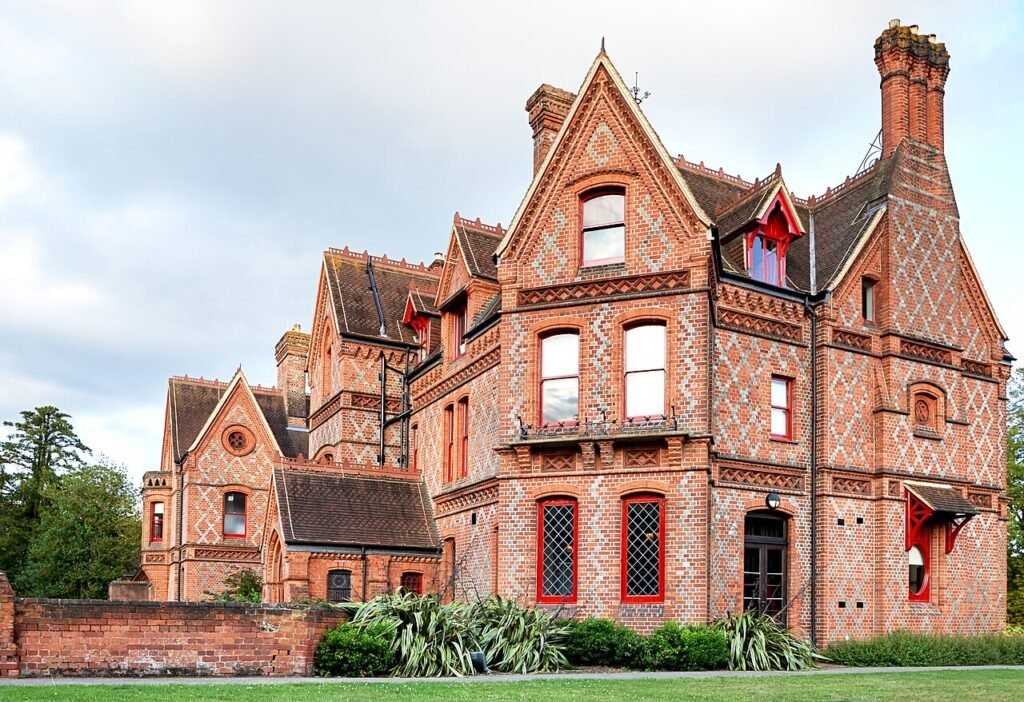
The University of Reading PhD studentships for 2027 are open, and they are among the most generous university-funded PhD awards in the UK for international students. Each award pays your full international tuition fees, a yearly stipend broadly in line with the UKRI minimum (£21,805 for 2026/27) and a £1,000 annual training and development allowance. There is no application fee.
The competition covers every PhD subject at Reading: science, life sciences, social sciences, arts and humanities, and the triple-accredited Henley Business School. Studentships start in autumn 2027. The deadline is Friday 15 January 2027.
Most international students assume UK PhD funding is reserved for British applicants. That used to be largely true. Schemes like this one are the exception, and they’re worth taking seriously. Below you’ll find what the award pays, who qualifies, how the two-stage selection works and how to apply. You’ll also find the small details in the official FAQs that most summaries skip.
University of Reading PhD Studentships 2027: Key Facts
| Host university | University of Reading, Berkshire, United Kingdom |
| Award name | International PhD Studentship (International Research Studentship Competition) |
| Level | PhD, all subjects except professional doctorates |
| Tuition fees | Paid in full at the international rate (up to 4 years full-time, 6 years part-time) |
| Stipend | Broadly in line with the UKRI minimum; £21,805 in 2026/27 (Reading-based students only) |
| Extra allowance | £1,000 per year for training and development |
| Application fee | None |
| Who can apply | Applicants eligible for international fees |
| Deadline | Friday 15 January 2027 |
| Final selection | Around the end of March 2027 |
| Award letters | Around the end of April 2027 |
| Start | Autumn 2027 (September/October) |
About the University of Reading
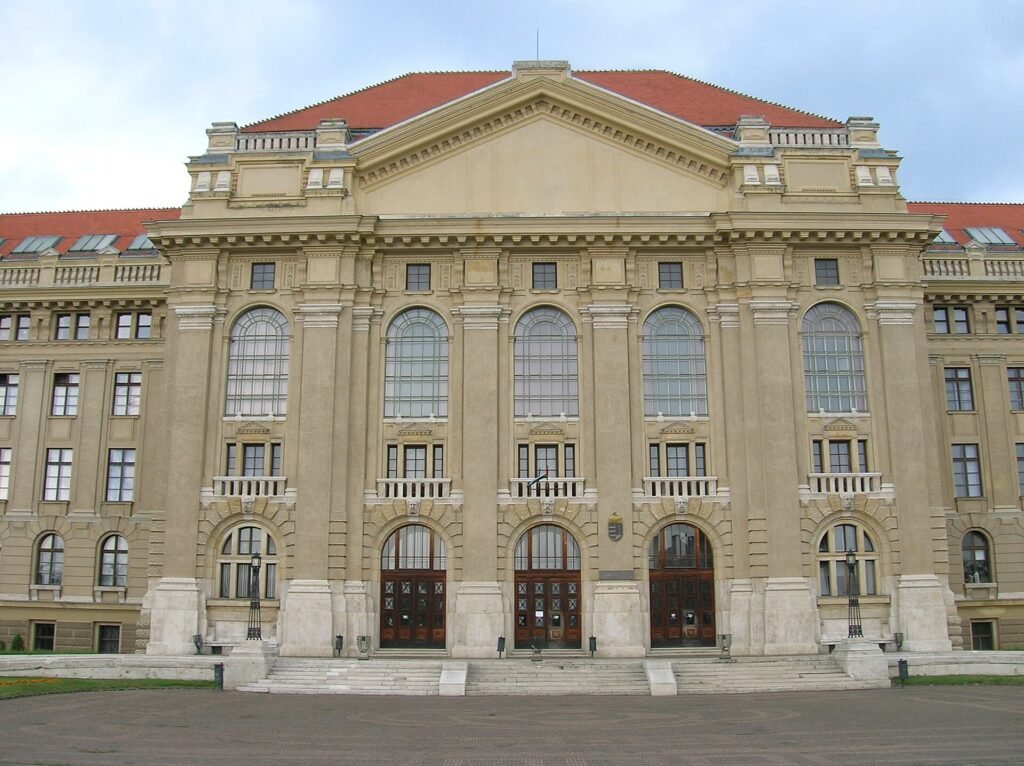
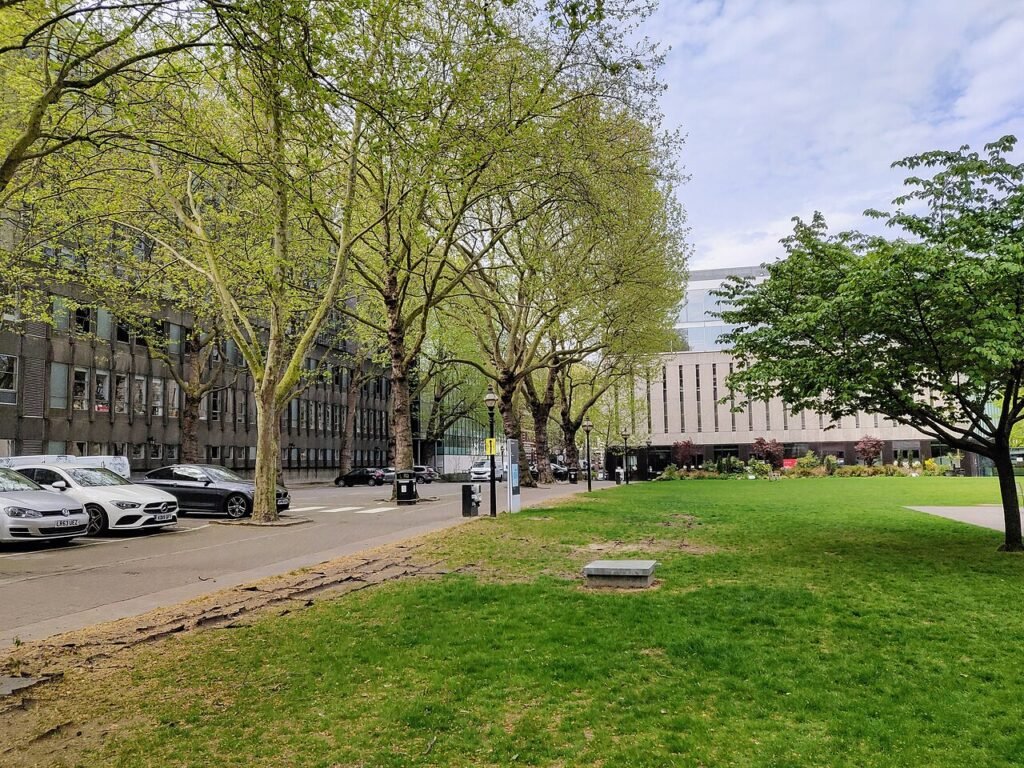
The University of Reading is a public research university in Berkshire, west of London. Most teaching and research takes place on the Whiteknights campus, a large parkland site with a lake, woodland and modern research buildings. London is a short train ride away, which matters if you plan to attend conferences, seminars or networking events in the city.
Reading’s research spans the sciences, agriculture and food, environment and climate, the social sciences, humanities and business. Its business school, Henley Business School, holds triple accreditation from AACSB, AMBA and EQUIS, a status held by only a small share of business schools worldwide. Henley’s ICMA Centre is also well known for finance and capital markets research.
For a PhD applicant, the main point is simple: the studentship is open across all of these areas. You aren’t limited to one department or a pre-set project. You propose your own research.
What the University of Reading PhD Studentships Cover
The package has three parts.
1. Full international tuition fees
The studentship pays tuition at the international rate for the full length of the programme: up to four years of full-time study, or up to six years part-time. For most international PhD students in the UK, fees are the largest single cost, so this waiver alone changes what is affordable.
2. A stipend for living costs
If you study at Reading, you also get a tax-free maintenance stipend broadly in line with the UKRI minimum rate. For 2026/27 that rate is £21,805 per year. The 2027/28 figure has not been announced. UKRI rates are usually adjusted each year, so treat £21,805 as a floor, not a fixed amount.
One practical detail from the FAQs: stipend payments only begin once you’ve fully completed enrolment, and the first payment often takes several weeks to arrive. Plan to have some money of your own for your first month in the UK.
3. £1,000 a year for training and development
Every studentship holder also receives £1,000 per year for training and development. This can support courses, workshops or research-related activities. The university also says that research expenses listed in your offer of admission are covered by the studentship.
What is not covered
The award does not pay immigration costs. That includes your student visa, the Immigration Health Surcharge and travel, for you or your family. Pre-sessional English courses aren’t covered either. Budget for these separately.
On-Campus vs Distance Study: An Important Difference
You can apply to study based at Reading, or off campus by distance. The funding differs:
- Based at Reading: full fees + stipend + £1,000 allowance.
- Off campus / by distance: full fees + £1,000 allowance, but no stipend.
Distance study also needs your supervisor’s approval, and your department decides whether any visits to the UK are required. If you need the stipend to live, apply for on-campus study.
Which PhD Programmes Are Eligible?
All PhD programmes at the University of Reading are eligible. That includes the sciences, life sciences, social sciences, arts and humanities, and Henley Business School. For example, you could apply in economics, finance, accounting, agriculture, food science, environmental science, meteorology, education, law, history or English literature.
Three doctoral programmes are not eligible because they are professional doctorates or taught-track routes:
- The Henley Business School DBA
- The Institute of Education EdD
- The PhD in Applied Linguistics taught-track and thesis pathway
Eligibility for the University of Reading PhD Studentships
The formal conditions are short. You must:
- Be eligible for international (overseas) tuition fees. Most applicants from Africa, Asia and Latin America fall into this group.
- Apply for a place on a University of Reading PhD programme by 15 January 2027, either on campus or by distance.
There is no separate nationality list, no age limit and no application fee.
Academic entry requirements
Entry requirements are set by each department, not by the studentship. Most departments expect a strong master’s degree and a research proposal, and some have extra requirements. Check the “How to apply” page of your chosen department before you submit. If you’re unsure whether your qualifications are enough, the university’s advice is simply to apply. The School will review your file and decide.
Do you need an offer by the deadline?
No. This is one of the most useful details in the scheme. You only need to have applied for admission by 15 January 2027. You don’t need an offer by then. However, to be nominated by your School later, you must have received an offer of admission. You don’t need to have accepted it yet.
Do you need English test results to apply?
No. You can apply before submitting proof of English proficiency and send it later. Your department’s normal English requirement still applies before you enrol.
Do you need a supervisor before applying?
No. You don’t have to contact a supervisor in advance. Even so, I’d recommend reading staff profiles in your department and, if one or two academics clearly match your topic, emailing them with a short summary of your proposal. A supervisor who is already interested in your project can make a real difference at the School nomination stage.
How the Selection Process Works
The University of Reading PhD studentships are awarded in two stages, and understanding them changes how you should prepare.
Stage 1: School nomination
After 15 January, each School runs an internal selection among its applicants. It then nominates one candidate for the university-wide competition. One nominee per School is a very small number, so your first real competition is with the other applicants in your own School.
Schools contact their nominee directly. The official FAQ says that if you haven’t heard by 26 February, you have not been nominated this time.
Stage 2: Final selection by the Doctoral and Researcher College
If you are nominated, you prepare a summary research proposal of no more than 700 words, excluding the title and references. If your admissions proposal was longer, you shorten it for this stage.
The university describes the proposal as an important part of the funding decision. It must be your own work, though your proposed supervisor may guide you and suggest improvements. The Doctoral and Researcher College also publishes guidance on research proposals, which is worth reading closely.
A final panel then chooses the award holders around the end of March 2027. Successful candidates receive a formal award letter around the end of April 2027. The award letter is separate from your offer of admission and is subject to standard eligibility checks.
How to Apply for the University of Reading PhD Studentships
There are two steps, and both matter.
Step 1: Apply for admission to a PhD programme
Submit your PhD application through the University of Reading online admissions portal before 15 January 2027. Prepare your transcripts, certificates, CV, references and research proposal as your department requires.
In the funding section, find the box labelled “scholarships applied for” and write:
International Research Studentship Competition
If you already applied and forgot to quote the competition, don’t worry. Go straight to Step 2.
Step 2: Complete the studentship application form
Fill in the short International PhD Studentship Application Form, linked on the official University of Reading studentship page. This form tells your School that you want to be considered. After submitting, you’ll see a screen saying “your response was submitted”. You don’t need to email anyone to confirm.
Step 3: If nominated, prepare your 700-word proposal
Your School will contact you if you are its nominee. Start shortening your proposal early so you aren’t rushing in February.
How to Write a Strong 700-Word Proposal
Seven hundred words is tight. You have room for one clear idea, not three. A structure that works well:
- Title that states the question, not just the topic.
- Background and gap (about 150 words): what is known and what is missing.
- Research question and objectives (about 100 words): one main question, two or three objectives.
- Methods and data (about 250 words): what you’ll do, with what data, and why it can answer the question.
- Contribution and fit (about 150 words): why it matters and why Reading, ideally naming your supervisor.
- Timeline (about 50 words): a realistic three-year plan.
Panels read many proposals quickly. A specific question with a believable method beats an ambitious one that can’t be finished in three years. As an example, “Climate change and food security in Africa” is a topic. “How have rainfall shocks affected maize yields and household food spending in Cameroon’s North-West since 2010?” is a PhD question.
Important Dates
| Now – 15 January 2027 | Apply for PhD admission and submit the studentship form |
| 15 January 2027 | Application deadline |
| By 26 February | Schools contact their nominees |
| End of March 2027 | Final selection panel |
| End of April 2027 | Award letters sent |
| Autumn 2027 | PhD and studentship begin |
Applying in Business, Finance or Accounting? Use Both Routes
If your PhD is at Henley Business School, you have a second funding route. Henley runs its own PhD studentships in Finance and Accounting for 2027/28, with a separate deadline of 21 February 2027. It recommends submitting your admission application by 10 January 2027. You can list both awards in the funding section of the same application. See our full guide to the Henley Business School PhD Scholarships 2027.
Deferral, Rejection and Other Funding
Already have an offer for an earlier start? You can ask your School’s PGR Support Team about deferring to autumn 2027. Studentship applications can’t be deferred, though, so you’d need to apply to this competition again.
What if you get admission but no studentship? You can still accept your place, but you would need another source of funding.
Should you apply elsewhere too? Yes. The university itself calls this studentship “extremely competitive” and recommends exploring other schemes. Funded options worth comparing include the BGSE PhD in Economics in Bonn and LSE’s funded PhD in Demography.
Tips to Improve Your Chances
- Apply early. Your School must review your admission file before it can nominate you, and late applications get less attention.
- Write the proposal around a supervisor. Show that someone at Reading can supervise your project.
- Explain your grades. If your country uses a different grading scale, include a short note or ranking letter so the panel can read your results correctly.
- Choose referees who know your research. A thesis supervisor’s letter carries more weight than a general one.
- Show research output. Conference papers, publications, research assistant work or data projects all help in a one-nominee competition.
- Prepare the 700-word version in advance. Don’t wait for the nomination email.
Frequently Asked Questions
Are the University of Reading PhD studentships fully funded?
For students based at Reading, yes. They cover full international tuition fees, a stipend broadly in line with the UKRI minimum (£21,805 in 2026/27) and £1,000 a year for training. Distance students receive fees and the allowance but no stipend.
Can international students apply?
Yes. The studentship is designed for applicants who pay international tuition fees.
Is there an application fee?
No. There is no fee to apply for the studentship.
What is the deadline for the University of Reading International PhD Studentship 2027?
Friday 15 January 2027. You must have applied for PhD admission by this date and submitted the studentship form.
Do I need IELTS before applying?
No. You can apply before submitting proof of English proficiency, but you must meet your department’s English requirement before enrolling.
How many studentships are available?
The university doesn’t publish a fixed number. Each School nominates only one candidate for the final competition, so the awards are very competitive.
Does the studentship cover visa costs?
No. There is no funding for immigration costs, for you or your family.
When will I know the result?
Nominees are contacted by their School, usually by late February. The final panel meets around the end of March 2027, and award letters go out around the end of April 2027.
Can I apply for a DBA or EdD with this studentship?
No. Professional doctorates such as the Henley DBA and the EdD are excluded, along with the taught-track PhD in Applied Linguistics.
Final Thoughts
The University of Reading PhD studentships give international students a realistic route to a fully funded UK PhD in almost any subject: full fees, a UKRI-level stipend, a training allowance and no application fee. The competition is tight, with one nominee per School, but the process is clear and the entry point is simple. Apply for admission and submit the form by 15 January 2027.
If you plan to apply, start your research proposal now. It decides both your School nomination and the final award.
Need help with your PhD application? Prim Study Abroad helps applicants write research proposals, academic CVs and complete PhD applications. Message us on WhatsApp: +39 393 062 9777.